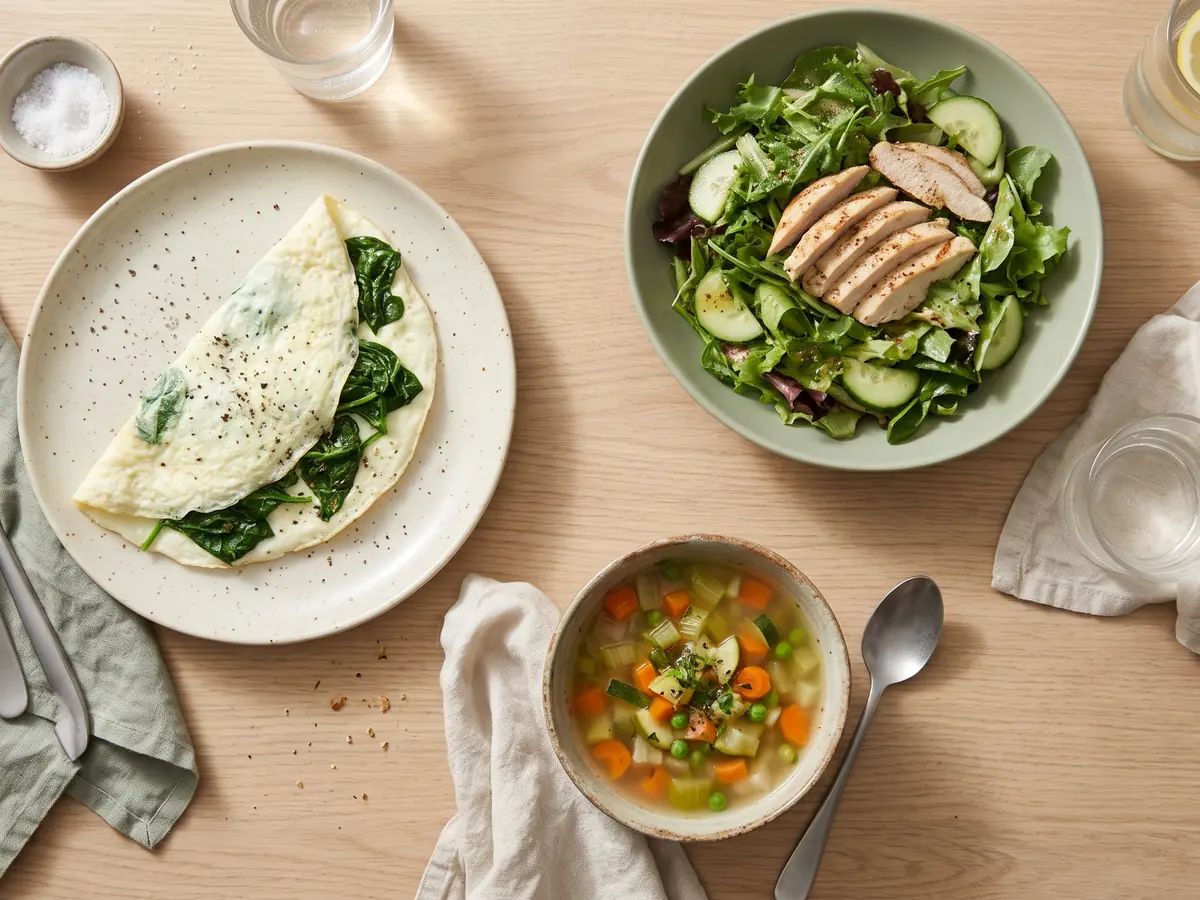
Short answerA 1000 calorie diet is far below what most adults burn, so it causes fast weight loss but makes it hard to get enough protein, vitamins and minerals, and rapid loss raises the risk of gallstones. Only follow it with a doctor or registered dietitian. For most people, a moderate deficit of about 500 calories a day is safer and easier to keep up. If you are under supervision, prioritize protein: the sample days below give 81 to 105 g at about 1,000 calories.
In this article
Is a 1000 calorie diet safe?
It depends on who you are and whether someone is supervising it. Most adults burn well over 1,000 calories a day just at rest, so eating 1,000 creates a large deficit. That makes weight come off fast, but it also cuts the room for the protein, fiber, vitamins and minerals your body needs.
Low-calorie diets are usually described in two tiers:
- Very low-calorie diets (VLCDs): 800 calories a day or less. A National Institutes of Health task force described them as generally safe only when used under proper medical supervision in people with obesity (a BMI over 30), usually with formula products replacing normal food. Our 800 calorie diet guide covers VLCDs in detail.
- Low-calorie diets: above 800 calories a day; the NIH task force compared VLCDs with standard low-calorie diets of 1,200 calories. A 1,000 calorie diet falls between the two. For a gentler option, see the 1300 calorie meal plan, which includes a 1,200 version.
So a 1000 calories a day diet plan isn't technically a VLCD, but it's close. For most adults it should be a short, planned phase agreed with a health professional, not a do-it-yourself crash diet. The NHS advises aiming to lose 0.5 to 1 kg (1 to 2 pounds) a week and not to lose weight suddenly with diets.
Who might use 1,000 calories a day?
- People in a medically supervised program for obesity or type 2 diabetes, where a doctor monitors health and medications. In the DiRECT trial, for example, a formula diet of 825 to 853 calories a day for 3 to 5 months, followed by gradual food reintroduction and support, led to type 2 diabetes remission in 46% of participants at 12 months, against 4% with usual care. That was a structured medical program, not a home diet.
- Very small, inactive adults whose maintenance is low; even then, a doctor or dietitian should set the target.
- Young children, whose needs can be around 1,000 calories; the 2025–2030 Dietary Guidelines include a 1,000-calorie pattern for this reason. This article's meal plan is for adults, not children.
Who should not follow a 1000 calorie diet without close medical care: anyone pregnant or breastfeeding, under 18, with diabetes on medication, with a history of eating disorders or gallstones, or with heart, kidney or liver disease.
Risks of eating 1,000 calories a day
- Nutrient gaps. With so little food, it's hard to reach protein, fiber, calcium, iron and other targets without careful planning or supplements chosen with a professional.
- Muscle loss. A large deficit with too little protein means more of the weight lost comes from muscle.
- Gallstones. The NIH task force named gallstones (cholelithiasis) as the most common serious complication of very low-calorie diets; rapid weight loss is the link.
- Hard to sustain. Eating so little day after day is difficult for most people to keep up outside a structured program.
- Weight regain. The same task force found that keeping weight off after very low-calorie diets was no better than after other treatments. A 2006 meta-analysis found VLCDs gave more weight loss than standard low-calorie diets in the short term (16.1% vs 9.7% of starting weight) but similar loss over the long term (6.3% vs 5.0%).
In short, going lower doesn't buy you much in the long run, and it carries more risk.
How much weight would you lose on 1,000 calories?
On a 1000 calories a day meal plan, the deficit depends on your maintenance calories, which you can estimate with the TDEE calculator. A rough guide for the first weeks, using about 3,500 calories per pound:
The first week often shows more because of water, and loss slows over time as your body burns less. Losses of 3 pounds a week or more are well beyond the 1 to 2 pounds the NHS recommends, which is one reason this level needs supervision. The weight loss simulator shows how the pace changes over months.
A 3-day 1000 calorie meal plan
If your doctor or dietitian has recommended about 1,000 calories a day, these sample days show how to get the most nutrition from them. Every food is counted from USDA FoodData Central. The priority is protein, to protect muscle, then vegetables and fiber for fullness.
Day 1 986 calories · 105 g protein · 21 g fiber
- Breakfast170 g plain nonfat Greek yogurt with 1 cup strawberries149
- LunchChicken salad: 4 oz grilled chicken, 2 cups romaine, 1 tomato, ½ cup cucumber, 1 tsp olive oil272
- Snack1 boiled egg, 3 oz baby carrots, 1 apple202
- Dinner5 oz baked cod, 1 cup broccoli, ½ cup quinoa, 1 tsp olive oil363
Day 2 990 calories · 87 g protein · 22 g fiber
- Breakfast2 eggs scrambled with 1 cup spinach, 1 slice whole-wheat toast243
- LunchTuna salad: 3 oz tuna, ¼ cup chickpeas, 2 cups romaine, ½ cup red pepper, 1 tsp olive oil216
- Snack½ cup cottage cheese, ½ cup raspberries, 1 kiwi166
- Dinner3 oz chicken with 1 cup zucchini, 1 cup mushrooms and ½ cup canned tomatoes, 1 tsp olive oil; ½ cup brown rice366
Day 3 1,001 calories · 81 g protein · 32 g fiber
- Breakfast¼ cup oats cooked in 1 cup 2% milk, ½ cup blueberries240
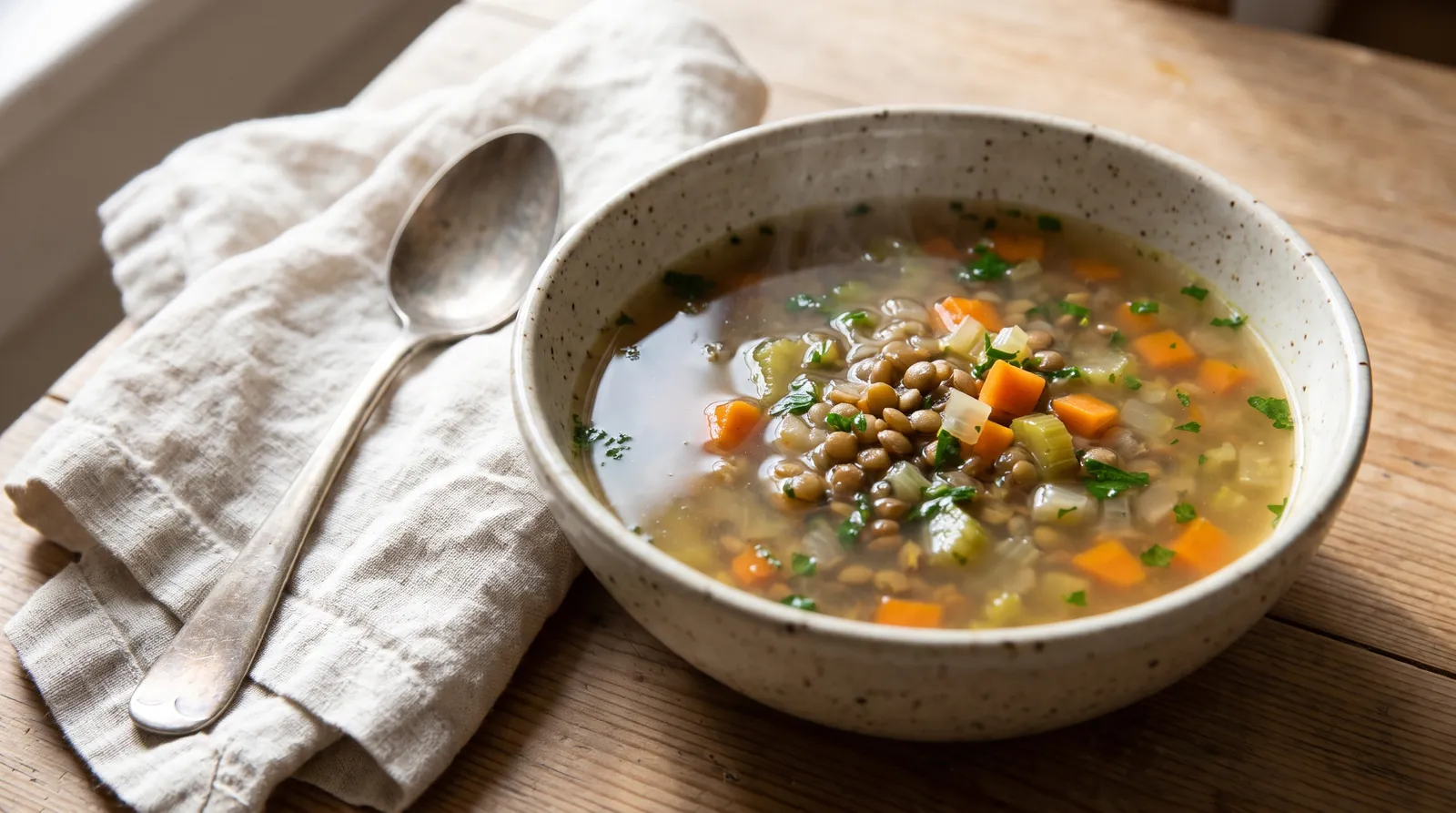
- LunchLentil soup: ½ cup lentils, 2 cups spinach, 1 carrot, ½ cup canned tomatoes, 1 tsp olive oil; 1 slice whole-wheat bread293
- Snack170 g Greek yogurt, ½ cup raspberries133
- Dinner4 oz shrimp, 1 cup cauliflower, 1 cup green beans, ½ cup quinoa, 1 tsp olive oil336
Across the three days, protein provides 32 to 42% of calories, saturated fat stays at 4 to 7%, sodium is 478 to 1,081 mg before added salt, and there's no added sugar. Fiber is lower than the 25 g many adults aim for on two of the days, which is hard to avoid at this calorie level; a health professional may suggest how to close that and any other gaps.
Vegetarian 1000 calorie a day diet meal plan
Vegetarian day 990 calories · 76 g protein · 35 g fiber
- Breakfast170 g Greek yogurt, 1 cup raspberries164
- LunchLentil salad: ½ cup lentils, 2 cups spinach, ½ cup red pepper, ½ cup cucumber, 1 tsp olive oil196
- Snack2 boiled eggs, 3 oz baby carrots, 1 kiwi227
- DinnerTofu stir-fry: ½ cup firm tofu, 1 cup broccoli, 1 cup mushrooms, 1 tsp oil; ½ cup quinoa403
In a vegetarian 1000 calorie meal plan, tofu, lentils, eggs and Greek yogurt cover protein without meat. For a vegan version, replace the yogurt and eggs with extra tofu or edamame and a fortified soy yogurt, and discuss vitamin B12 with your health professional.
Shopping list for the three sample days
- Protein: 7 oz cooked chicken breast, 5 oz cod, 4 oz shrimp, 1 can tuna, 3 eggs, 2 containers Greek yogurt, ½ cup cottage cheese, ½ cup lentils, ¼ cup chickpeas.
- Vegetables: romaine (4 cups), spinach (3 cups), 1 tomato, cucumber, red pepper, broccoli, zucchini, mushrooms, cauliflower, green beans, 1 carrot, baby carrots, 1 can tomatoes.
- Fruit: strawberries, raspberries, blueberries, 1 apple, 1 kiwi.
- Grains and pantry: quinoa, brown rice, oats, whole-wheat bread, 2% milk, olive oil, herbs and spices.
Building a 1,000-calorie day
If you're designing your own 1000 calorie diet menu with a professional, these rules get the most from every calorie:
- Protein first. Aim for 25 to 35 g at each main meal from lean sources: chicken breast, white fish, shrimp, tuna, eggs, Greek yogurt and cottage cheese. See chicken breast protein by weight.
- Vegetables second. Non-starchy vegetables like spinach, broccoli, zucchini and peppers give volume and fiber for very few calories.
- Small portions of whole grains and fruit. ½ cup of quinoa or brown rice, or a piece of fruit, adds fiber and energy.
- Measure the fat. At 1,000 calories, a tablespoon of olive oil (about 119 calories) is 12% of the day. Use a teaspoon at a time.
- No liquid calories. Water, black coffee and unsweetened tea only; see drink calories.
For a diet plan for 1000 calories, the macro calculator can show protein targets for your weight, and the calorie counter helps you stay on target day to day.
Why protein matters even more at 1,000 calories
When you eat far less than you burn, your body draws on its stores, including muscle protein. Eating plenty of protein and keeping some strength training in your week helps more of the weight you lose come from fat. That's why each sample day above puts 80 g or more of protein into about 1,000 calories, using lean foods like chicken breast, cod, shrimp, tuna, eggs, Greek yogurt and cottage cheese. The 2025–2030 Dietary Guidelines set a general protein goal of 1.2 to 1.6 g per kg of body weight; your health professional can tell you what to aim for during a low-calorie phase.
Eating out on a 1,000-calorie day
A single restaurant meal can easily exceed the whole day on a 1000 cal meal plan, so plan ahead. Choose grilled fish or chicken with steamed vegetables or a side salad, ask for dressings and sauces on the side, skip the bread and sugary drinks, and consider taking half home. A plain turkey or ham sandwich is about 215 calories in USDA survey data, but most restaurant versions are larger.
Common mistakes on a 1000 calorie diet
- Skipping protein to save calories, which costs muscle.
- Eating mostly "diet" snacks instead of vegetables, fruit and lean protein.
- Forgetting oils and dressings, which can quietly add 200 calories or more.
- Staying on it too long without a plan from a professional.
- Jumping straight back to old portions when it ends, which makes regain likely.
Meals that are 1000 calories
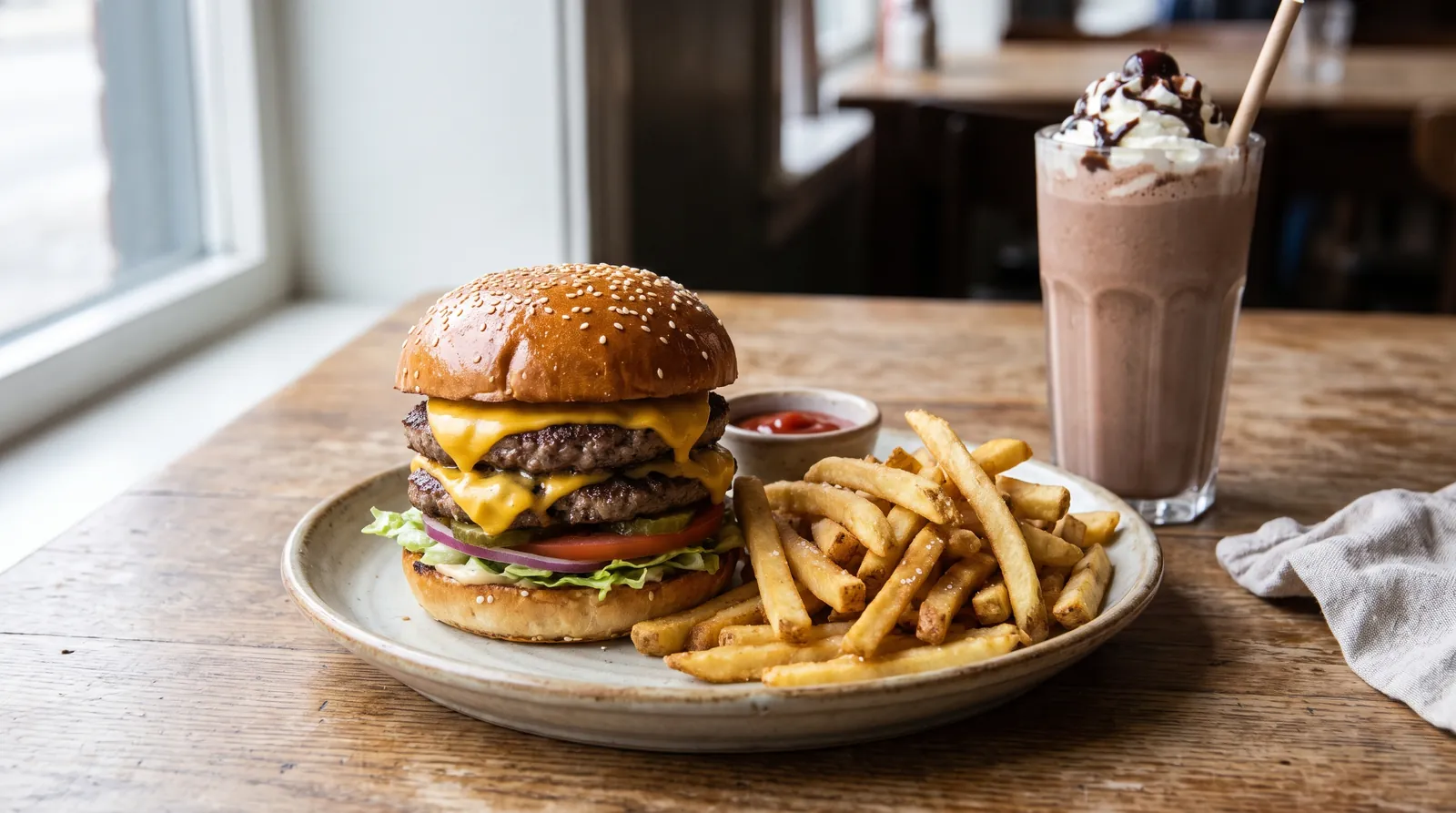
People search for "1000 calorie meal" for two different reasons: to plan a whole day at 1,000 calories, or to see how easily one meal can reach that number. The second is worth knowing, because a single meal can use a full day's budget on this diet.
| Meal | Calories |
|---|---|
| A 6-inch cheesesteak sub (594), a 20 oz regular cola (258) and a 1.55 oz milk chocolate bar (235) | about 1,087 |
| A typical Thanksgiving plate: turkey, stuffing, mashed potatoes, gravy, two sides, cranberry sauce and a roll | about 1,005 |
| 6 oz salmon (350), 1½ cups brown rice (373), 1 cup broccoli (55), 1 tbsp olive oil (119) and a cup of 2% milk (122) | about 1,018 |
The first two meals are ordinary portions that many people eat without thinking. The third shows that 1,000 calories of whole food is a very large dinner, with 58 g of protein. For more examples, see sandwich calories and Thanksgiving meal calories.
A 1000 calorie dinner for a big appetite
If you're eating normally and want one hearty, balanced 1,000-calorie meal at dinner, such as before or after a long workout, the salmon plate above is a good model: plenty of protein, a generous whole-grain portion, a vegetable and a little healthy fat. Swap the salmon for 6 oz of chicken breast and add a slice of whole-wheat bread for a similar total.
Food that is 1000 calories: single foods compared
Looking at 1000 calories of food one item at a time shows why food choice matters so much on a low intake. Some foods fill a mixing bowl at 1,000 calories; others fit in your hand:
| Food | Amount for 1,000 calories |
|---|---|
| Strawberries | about 20 cups |
| Broccoli, cooked | about 18 cups |
| Apples | about 10½ medium apples |
| Greek yogurt, plain nonfat | about 10 containers (170 g) |
| Bananas | about 9½ medium bananas |
| Eggs | about 13 large eggs |
| Chicken breast, roasted | about 21 oz |
| Brown rice, cooked | about 4 cups |
| Avocado | about 3 avocados |
| Almonds | about 6 oz |
| Dark chocolate (70–85%) | about 6 oz |
| Regular cola | about 78 fl oz |
| Olive oil | about 8½ tablespoons |
Nobody eats 20 cups of strawberries, which is the point: vegetables, fruit and lean protein let you eat a satisfying amount of food on a small budget, while oils, nuts, chocolate and sugary drinks use it up fast. On a 1000 calories diet, the foods at the top of this table do most of the work.
A menu plan for 1000 calories a day across the week
Three sample days are enough to build a meal plan for 1000 calories a day across a week if you rotate them: days 1, 2 and 3, then repeat, swapping proteins and vegetables for variety. A simple structure for any 1000 calorie per day meal plan:
- Breakfast (150 to 250 calories): Greek yogurt or cottage cheese with berries, or eggs with greens.
- Lunch (220 to 300 calories): a large salad or soup with 3 to 4 oz of lean protein and a teaspoon of oil.
- Snack (130 to 200 calories): a protein food plus fruit or raw vegetables.
- Dinner (330 to 370 calories): 4 to 5 oz of fish or chicken, 2 cups of vegetables and ½ cup of a whole grain.
On a 1000 calories diet plan, keep a food log, weigh portions of grains and oils, and attend whatever check-ins your doctor or dietitian has set.
Exercise on 1,000 calories a day
Alongside any 1000 cal meal plan, gentle, regular activity such as walking and light strength training helps protect muscle, but long or intense workouts are hard to fuel on 1,000 calories and can leave you exhausted. Agree an activity plan with your health professional. The walking calorie calculator shows what a walk adds to your deficit.
Is a 1000 calorie diet plan for weight loss better than fasting?
Some people prefer to cut calories through timing, such as eating within an 8-hour window, rather than eating very small meals. Both work by reducing total calories. A time-restricted window at a moderate calorie target is usually easier to sustain than eating 1,000 calories a day; the fasting calculator maps out a window.
A thousand calorie diet plan vs 1,200 calories
The 2025–2030 Dietary Guidelines list daily food group servings for every calorie level. Comparing the 1,000 and 1,200 calorie patterns shows how little room there is at the bottom:
| Food group | 1,000 calories | 1,200 calories |
|---|---|---|
| Protein foods | 1–1½ | 1½–2 |
| Dairy | 2 | 2½ |
| Vegetables | 1¼ | 1¾ |
| Fruits | 1 | 1 |
| Whole grains | 1–2 | 1½–2¾ |
| Healthy fats (tsp) | 2½ | 2½ |
These patterns are designed for people whose total needs are that low, mainly young children. An adult using 1,000 calories to lose weight has much higher protein needs than the pattern's 1 to 1½ servings, which is why the sample days above use far more lean protein and fewer grains. It's another reason to plan a diet this low with a professional.
Questions to ask your doctor or dietitian
- Is 1,000 calories right for me, and for how long?
- How much protein should I aim for each day?
- Do I need a multivitamin, calcium, vitamin D or a fiber supplement?
- Do any of my medications need adjusting as I lose weight?
- How often should we check in, and what symptoms should make me stop?
- How should I increase calories when this phase ends?
Safer alternatives to a 1000 calorie diet
For most adults trying to lose weight on their own, a moderate deficit works better over the long run:
- 1,500 calories: a full week of meals in our 7-day meal plan for weight loss, with about 104 g of protein a day.
- 1,800 calories: our 1800 calorie meal plan suits many men and active women.
- Meal replacements: a 2006 meta-analysis noted that using liquid meal replacements within a 1,000 to 1,500 calorie diet may be an effective, less expensive alternative to very low-calorie diets.
Our weight loss plan explains how to set a deficit that fits your body, and the NHS notes you may be able to refer yourself to local weight management services without seeing a GP first.
After a low-calorie phase
The hardest part of any 1000 calorie meal plan is what comes next. The DiRECT program built in 2 to 8 weeks of stepped food reintroduction and long-term support, for good reason. If you've been eating around 1,000 calories under supervision:
- Increase calories gradually, by about 100 to 200 a week, rather than returning to old portions at once.
- Keep protein high and keep strength training to protect the muscle you have.
- Recalculate your maintenance at your new weight; it will be lower than before.
- Weigh yourself regularly so you catch any regain early.
As an example, someone whose new maintenance is about 1,800 calories might step up like this: 1,150 calories in the first week after the low-calorie phase, 1,300 in the second, 1,450 in the third, 1,600 in the fourth and around 1,800 after that, watching the scale each week and holding a step longer if weight starts to climb. Adding food back as whole grains, fruit, dairy and a little more healthy fat keeps the diet balanced. Our 1800 calorie meal plan and balanced diet guide show what a full day looks like at maintenance.
1000 calorie diet FAQ
Is a 1000 calorie diet safe?
For most adults, 1,000 calories a day is far below what they burn and should only be followed with a doctor or registered dietitian. It's hard to get enough protein, vitamins and minerals at this level, and rapid weight loss raises the risk of gallstones.
How much weight will I lose on 1000 calories a day?
It depends on your maintenance calories. If you burn 2,000 a day, a 1,000-calorie diet is a 1,000-calorie deficit, roughly 2 pounds a week at first, slowing over time. The NHS advises aiming for 0.5 to 1 kg (1 to 2 lb) a week.
What does 1000 calories look like?
As a whole day, it's about three small meals and a snack, such as Greek yogurt with berries, a large chicken salad, an egg and fruit, and cod with vegetables and a little quinoa. As one meal, it can be a 6-inch cheesesteak with a 20 oz cola and a chocolate bar.
Is 1000 calories a day a very low-calorie diet?
Not by the usual definition. A very low-calorie diet (VLCD) is 800 calories a day or less, according to a National Institutes of Health task force. But 1,000 calories is still a low intake for most adults.
What is a safer alternative to a 1000 calorie diet?
A moderate deficit of about 500 calories a day below your maintenance, which for many adults means 1,500 to 1,800 calories, with high protein and fiber. It's slower but easier to sustain.
Sources
- National Task Force on the Prevention and Treatment of Obesity, National Institutes of Health. Very low-calorie diets. JAMA, 1993.
- Tsai AG, Wadden TA. The evolution of very-low-calorie diets: an update and meta-analysis. Obesity, 2006.
- Lean MEJ, et al. Primary care-led weight management for remission of type 2 diabetes (DiRECT). Lancet, 2018.
- NHS. Tips to help you lose weight.
- U.S. Departments of Health and Human Services and Agriculture. Daily Servings by Calorie Level, Dietary Guidelines for Americans, 2025–2030.
- U.S. Department of Agriculture. FoodData Central (every food in the sample days and meals).